



· 8 min · in Portuguese
I built Next.js templates and e-books with AI. What guarantees quality is the review: the tests, the checks and the mistakes I caught before selling.
Read article
Senior Software Engineer & Tech Lead with 10+ years building scalable systems, microservices architectures, and cloud-native solutions.
I'm a software engineer with over 10 years of experience, specializing in backend development, system architecture, and API integrations. I've led multidisciplinary teams as a Tech Lead, building scalable systems in Java and delivering projects in the education, logistics, and fintech domains.
Currently working as a Full Stack Developer (PJ) at Montreal, I bring a blend of deep backend expertise — Java, Spring Boot, Hibernate — and modern frontend skills with React. I'm also expanding into MLOps, combining my engineering background with machine learning production pipelines.
I'm passionate about clean architecture, integration patterns, agile methodologies, and sharing knowledge within teams to raise the bar on software quality.
Core technologies and methodologies I use to build and ship software.
10+ years delivering software across logistics, education, fintech, and enterprise domains.
Operational issue diagnosis, ERP updates, and process improvements for the transport sector.
Selected projects showcasing my work in software development, architecture, and data science.
Quantitative swing-trading system for Brazilian and US equities — walk-forward, out-of-sample, Monte Carlo and cost-stress validation, with automated daily screening — plus a 16-year data study on whether running it actually beat investing. 2.3M daily bars, 26 asset classes, and the finding that most of the apparent edge was interest on idle cash.
Brazilian stock and REIT screener that scores each asset against its own sector and shows the case for it and the warning against it, side by side. Fundamentals come from audited CVM filings, reconciled against market data, with a backtest that shows its survivorship-bias caveat.
Business intelligence without SQL: upload a spreadsheet or connect a database, ask questions in plain language and get charts, drag-and-drop dashboards, semantic models with YTD/MoM/YoY measures, no-code ETL pipelines and AI-written reports. Users bring their own Claude or Gemini key.
Personal dashboard with an AI assistant that turns text or voice into calendar events, tasks and notes through Gemini function calling. Weekly agenda with recurrence, global search, browser notifications, Google Calendar sync and a desktop overlay in Electron.
Automated documentation tool that instruments functions with decorators to capture calls, arguments, return values, and generate live interactive flowcharts.
View on GitHubFull AI bootstrap for any project — spec-driven workflow, real-time quality auditor, TUI for feature lifecycle management, AI-powered smart commits, and Claude Code hooks. Detects your stack and configures everything with one command.
CLI tool that points at any codebase and generates a self-contained HTML report with an interactive architecture graph, health scores, anti-pattern detection, dependency cycle detection, and refactoring suggestions — powered by Claude Code.
Full-stack web platform for traders: trade journal with P&L, R:R, Sharpe/Sortino and psychology tracking; multi-indicator backtesting engine (up to 15 indicators) with async BullMQ queue; DCA simulator; Volume Profile (POC/VAH/VAL); and market scanner with alerts.
Production-ready cloud-native task management platform built with FastAPI, PostgreSQL, Redis, Docker, and full Observability + CI/CD stack. Designed to demonstrate scalable backend architecture, background processing, DevOps practices, and SRE fundamentals.
View on GitHubNative Android app for personal expense tracking with voice and natural language input, offline AI category classification (TF-IDF + LinearSVC in TypeScript), local SQLite storage, and visual monthly reports — no internet required.
Investigates the relationship between food prices and the Brazilian IPCA inflation index, uncovering patterns and identifying notable variations.
View on KaggleMachine learning model to detect fraudulent credit card transactions using advanced classification techniques.
View on KaggleKaggle competition — data exploration, preprocessing, and model training for accurate house price prediction.
View on KagglePerformance evaluation of various Brazilian investment assets across different time periods.
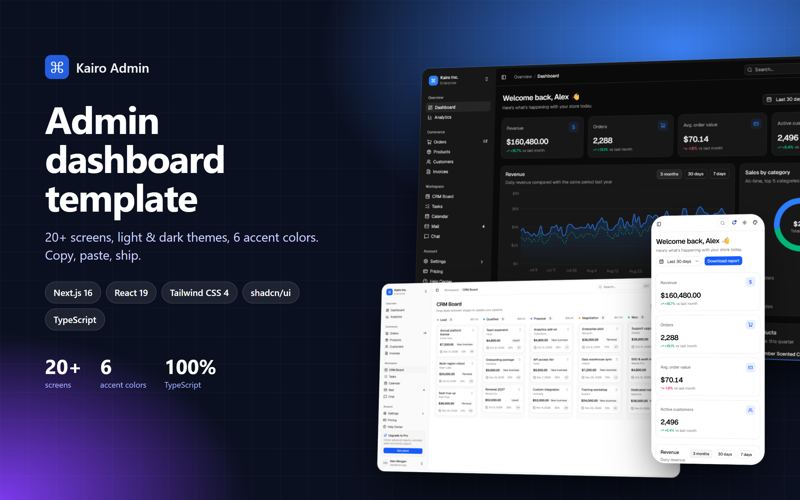
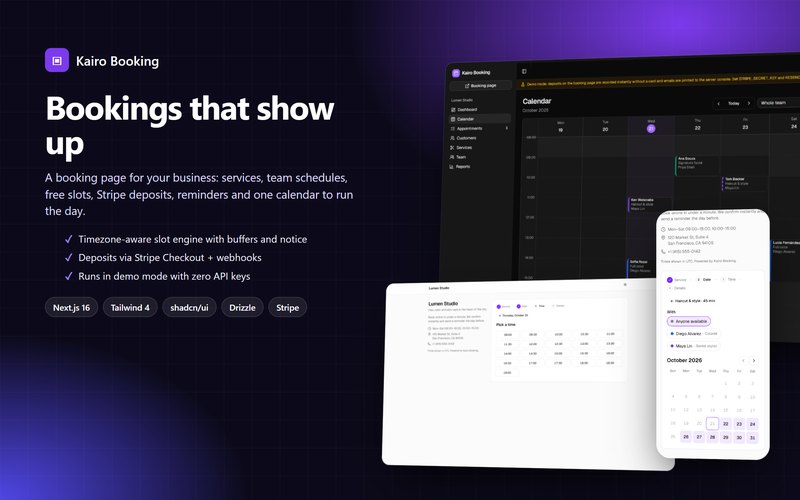
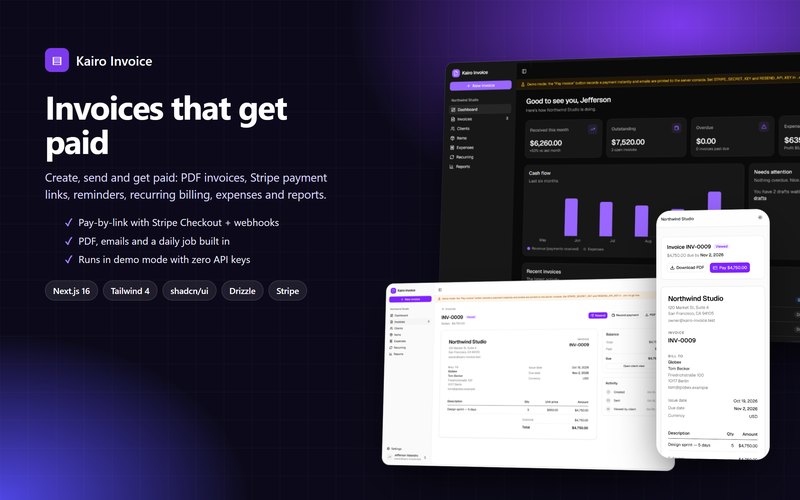
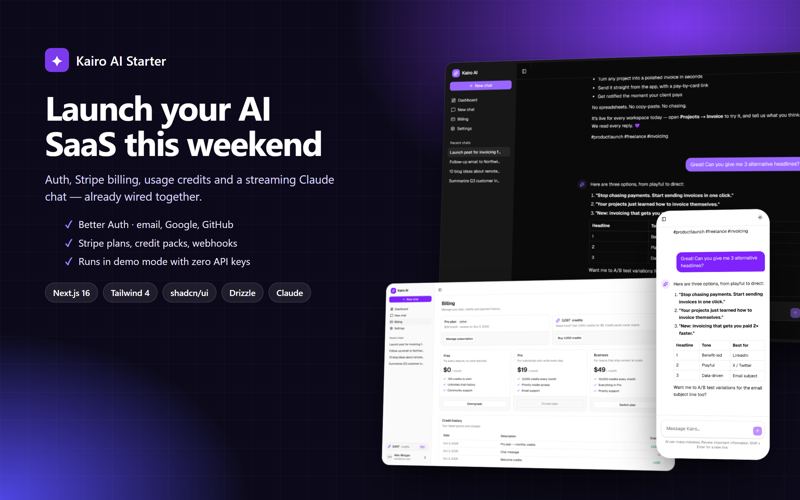
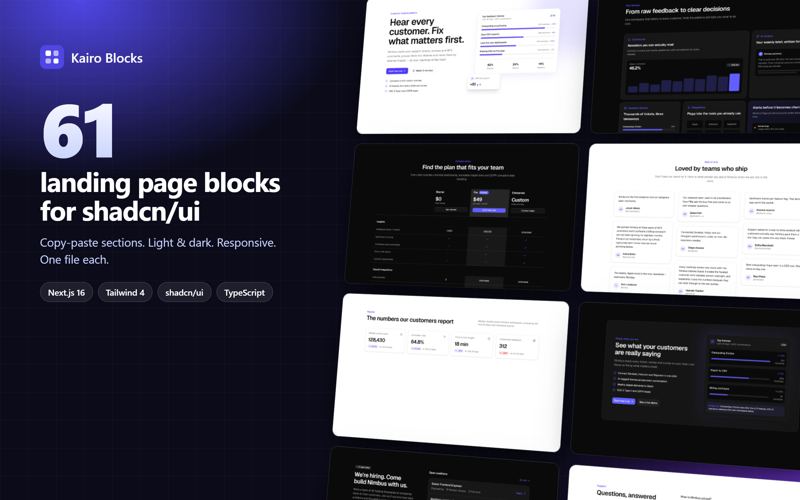
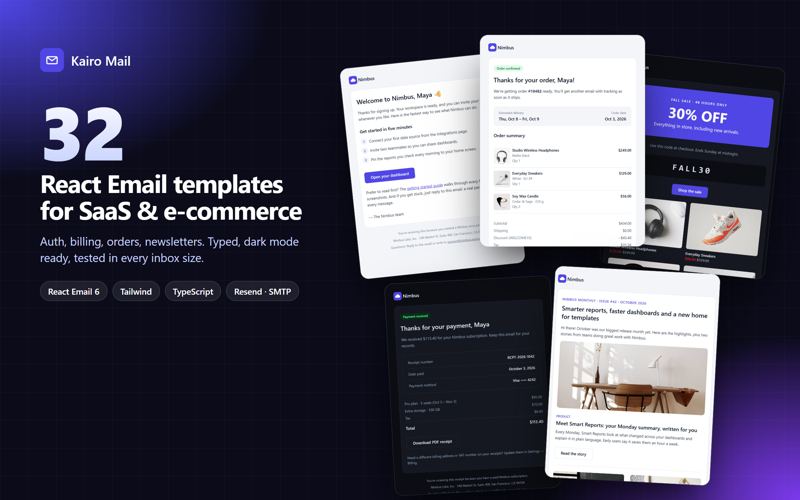
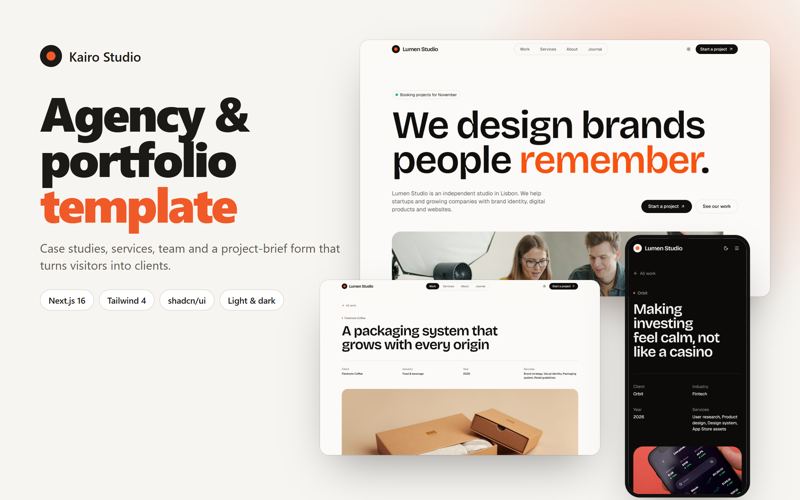
View on KaggleNext.js templates with live demos and hands-on e-books that I build and sell under the ValandroUI brand.

Want to try first? Kairo Blocks Lite has 10 free blocks under the MIT license. GitHub Live demo
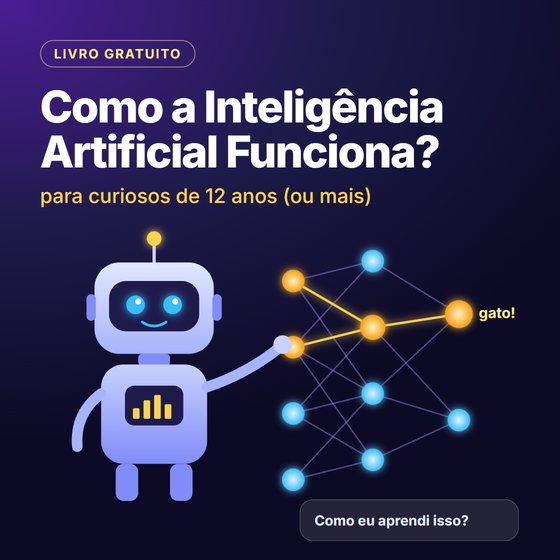
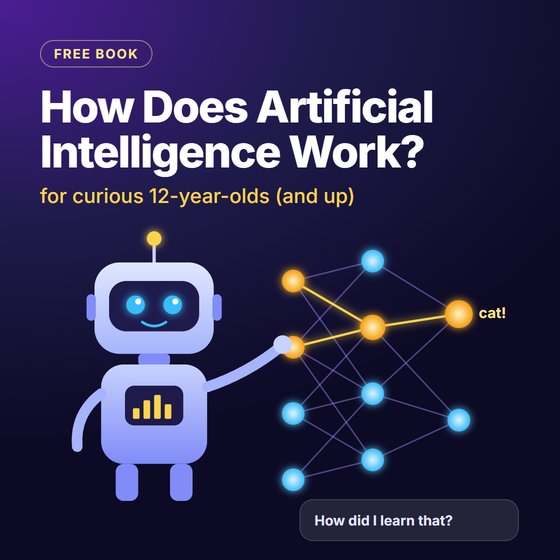
AI explained for curious 12-year-olds (and up): no formulas, with hands-on activities. 109 pages.
English edition of the book above: AI for curious 12-year-olds (and up), no formulas, hands-on activities. 106 pages.
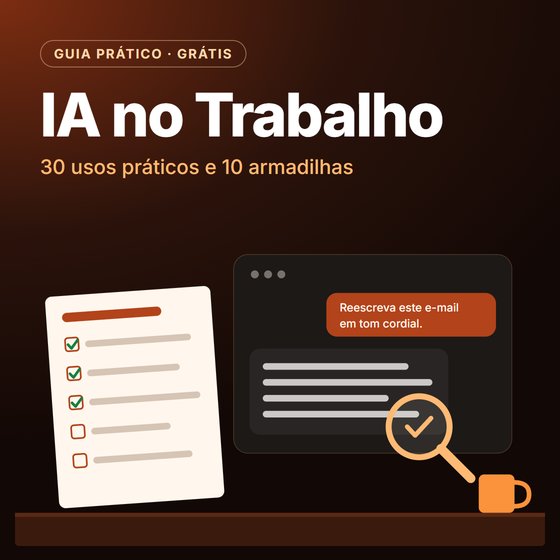
What to ask an AI assistant at work, with examples, and the traps to check before using the answer. 52 pages.
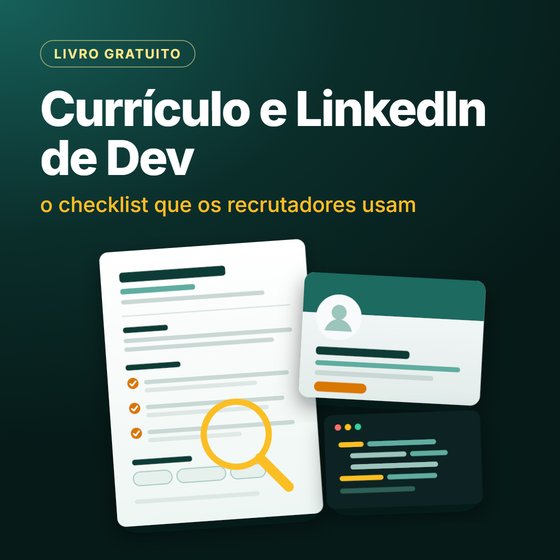
How screening works, bullet points with impact, three before-and-after résumés, LinkedIn, GitHub and a checklist. 44 pages.
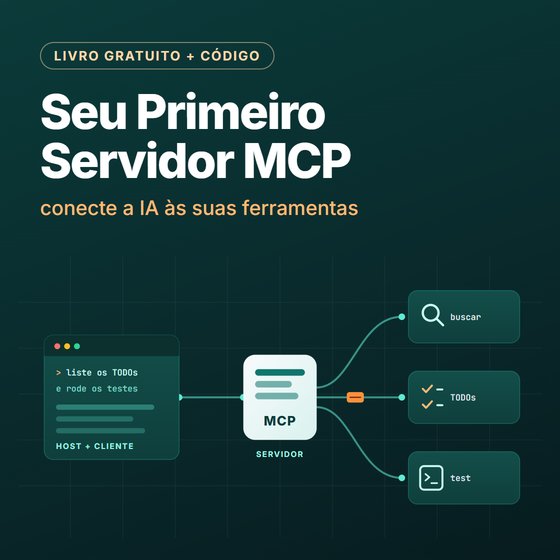
Build a small, tested and safe MCP server in TypeScript and connect it to Claude Code. 53 pages.
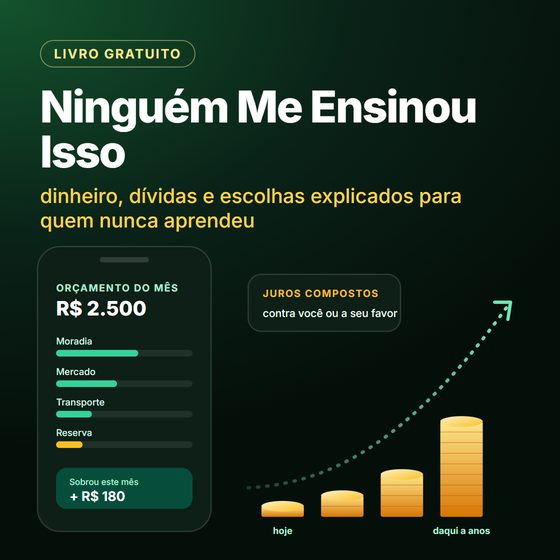
Source code (zip, MIT)Money explained for adults who never learned it: inflation, interest, budget, credit cards, getting out of debt, first investments, scams and betting. 215 pages.
For teens 14 and up: Pix, in-game purchases, installments, scams, betting, first job and starting to invest, without a lecture. 110 pages.
For curious kids aged 10 to 13 (to read with the family): wants and needs, allowance, saving, ads, interest and online safety, with activities. 69 pages.
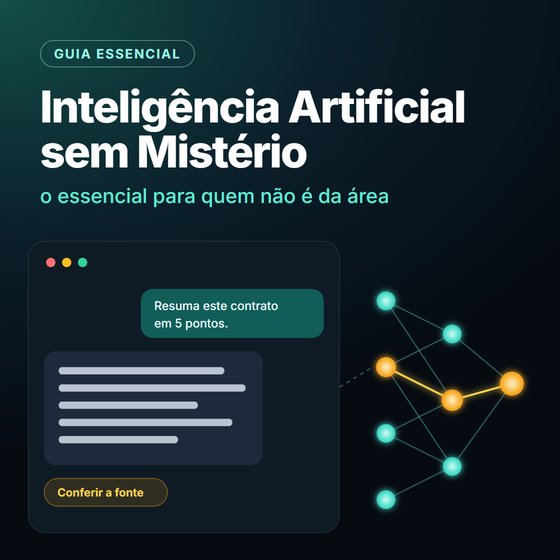
The essentials of AI for people outside tech: what it does, where it fails and how to use it with care. 151 pages.
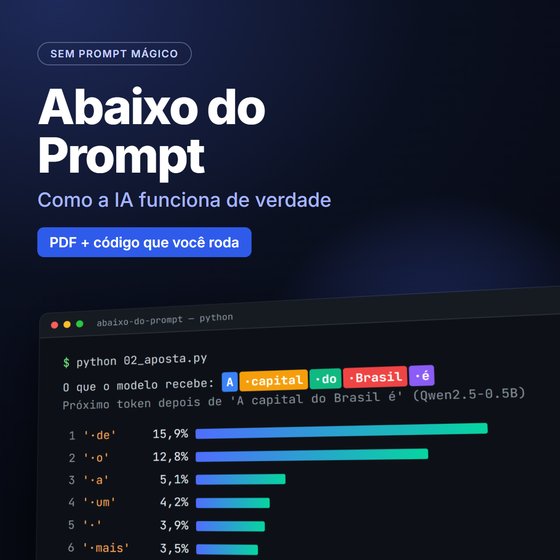
Tokens, temperature, attention, hallucination and RAG, measured on a small model you run on your own PC. Code included.
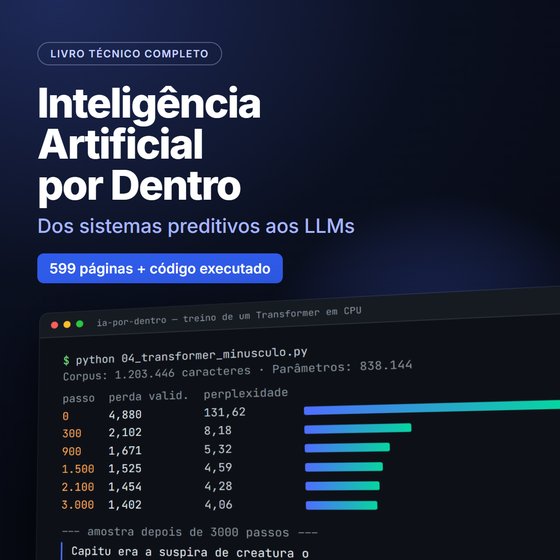
From predictive models to LLMs and Transformers, with math, code and 190+ verified references. 599 pages.
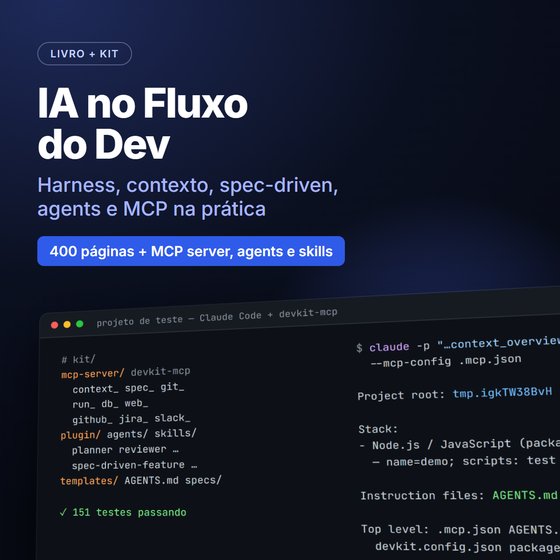
English paperback on AmazonHarness, context, spec-driven development, agents and MCP in practice, with a kit that includes an MCP server. 400 pages.
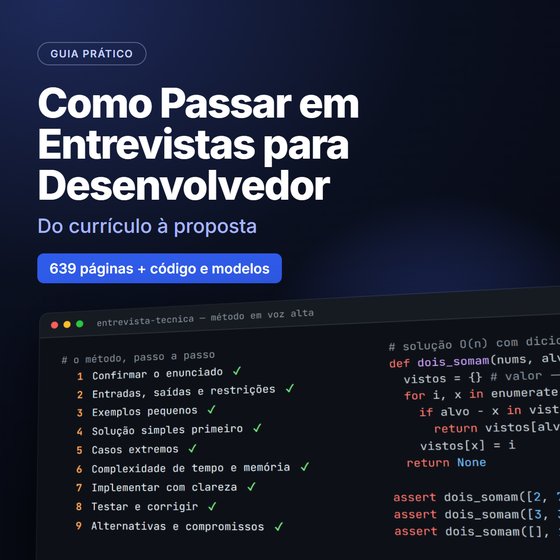
From résumé to offer: coding, system design, behavioral rounds and negotiation, with tested solutions. 639 pages.
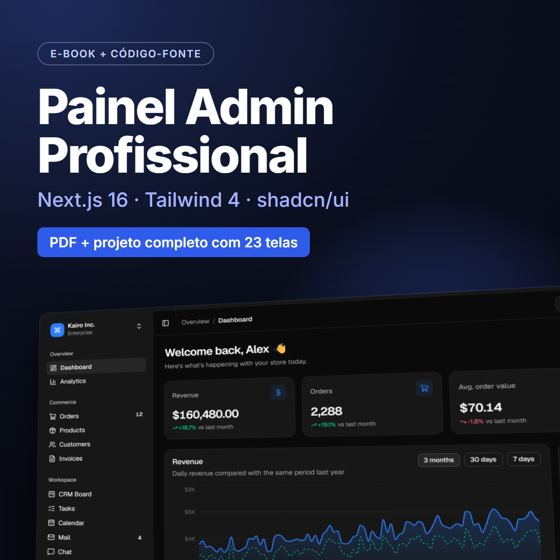
English edition (paperback)Build a complete admin dashboard, with the Kairo Admin source code included.
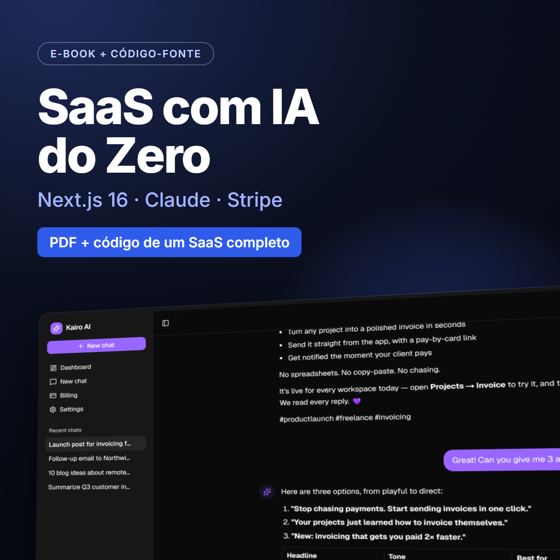
Auth, AI chat, credits and payments, with the Kairo AI Starter source code included.
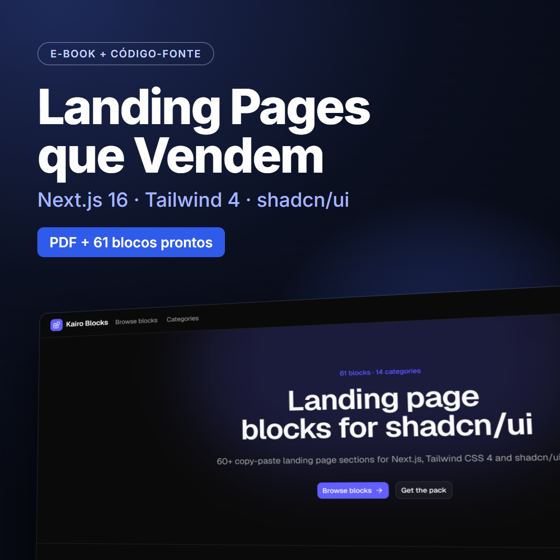
Landing pages that convert, with the Kairo Blocks source code included.
Listings, map, mortgage simulator and WhatsApp leads, adapted to Brazil.
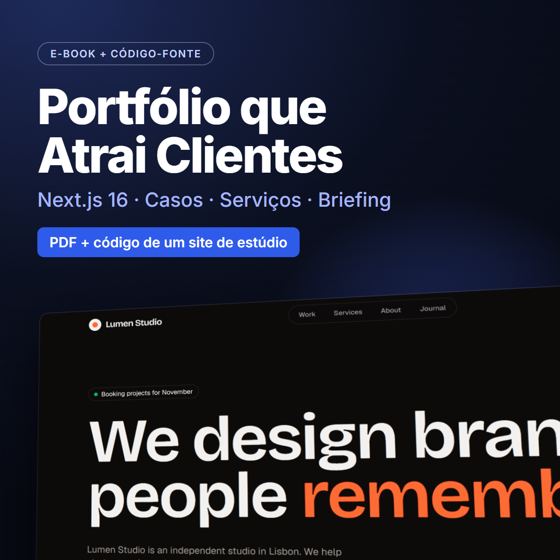
A portfolio with case studies, services and a brief form that brings clients.
Technical writing on software architecture, MLOps, and data science.
I built Next.js templates and e-books with AI. What guarantees quality is the review: the tests, the checks and the mistakes I caught before selling.
Read articleHow to use AI to detect code smells, apply Extract Method, Introduce Parameter Object, Replace Conditional with Polymorphism, and Move Method — with the workflow that prevents regressions at every step.
Read articleHow to prompt AI to identify Factory, Builder, Adapter, Decorator, Strategy, Observer, and Chain of Responsibility opportunities — plus the test that tells you when a pattern adds complexity instead of removing it.
Read articleHow to prompt AI to detect SRP violations, refactor OCP-breaking switches, audit LSP hierarchies, split fat interfaces, and inject dependencies — with working code for each principle.
Read articleHow to prompt AI for clean output, the most common clean code violations AI introduces, and the review protocol that catches them before they land in your codebase.
Read articleHow to build a company MCP server that puts your architecture, coding patterns, and business rules directly into every developer's AI assistant — so the AI knows your system, not just generic best practices.
Read articleSmart/dumb components, OnPush, RxJS pitfalls, Signals, standalone architecture, lazy loading, and testing strategies for production Angular applications.
Read articleComponent composition, hooks pitfalls, state management with React Query and Zustand, memo anti-patterns, code splitting, and testing with React Testing Library.
Read articleA practical comparison of the most widely used architectures — when each shines, when it fails, and how to choose the right one for your context.
Read articleThe six most destructive anti-patterns, dependency cycles, module health scores, and how to automate architecture quality checks on any codebase.
Read articleMicroservices, DDD Bounded Contexts, CQRS, event-driven communication, and resilience patterns for systems that grow without breaking.
Read articleEnd-to-end MLOps pipeline: experiment tracking with MLflow, model packaging, CI/CD quality gates, canary releases, and feature stores.
Read articleTopics, partitions, consumer groups, the Outbox Pattern, Event Sourcing, and Schema Registry for building decoupled distributed systems.
Read articleFour-layer monitoring stack for ML: data quality, feature drift (PSI, KS test), performance degradation, and automated retraining triggers.
Read articleREST vs gRPC, API Gateway, Service Mesh, and the Saga pattern for managing distributed transactions without global locks.
Read articleMedallion Architecture, idempotency, dbt schema contracts, Airflow orchestration, and late-arriving data strategies for production ML systems.
Read articleHow a structured spec lifecycle — Draft, Approve, Implement, Review, Close — turns AI-assisted development from a guessing game into a repeatable, auditable engineering practice.
Read articleWhat AI genuinely accelerates, where hallucinations silently destroy trust, how agents and skills work, and the discipline that prevents over-reliance from eroding your engineering judgment.
Read articleDependency Rule, concentric layers, and use case isolation: building a TypeScript payment module where the domain core has zero framework dependencies.
Read articlePorts & Adapters with Spring Boot: isolating the domain core, defining ports as interfaces, and writing use cases that are fully testable without infrastructure.
Read articleResource modeling, HTTP semantics, versioning, consistent error responses, cursor pagination, rate limiting, and contract-first with OpenAPI.
Read articlePipeline stages, quality gates with SonarQube, Testcontainers, multi-stage Docker builds, GitOps with ArgoCD, and deployment strategies for production.
Read articleOpen to full-time roles, freelance projects, and technical consulting. Feel free to reach out.